

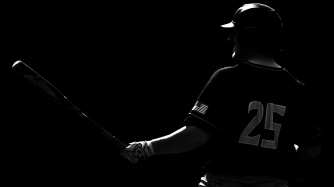
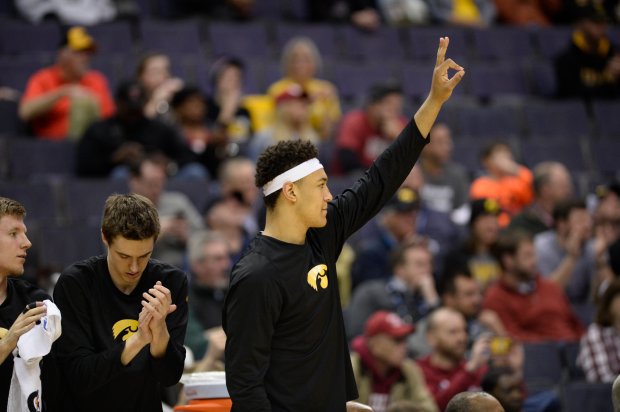
Sports games are often indoors or in the evenings, which can make lighting less than ideal. As sports photographers, we don’t always get to choose the times or locations of our games and since flash is a big no-no in sports photography, we have to learn to capture great photos in low light.
 Use Manual Mode
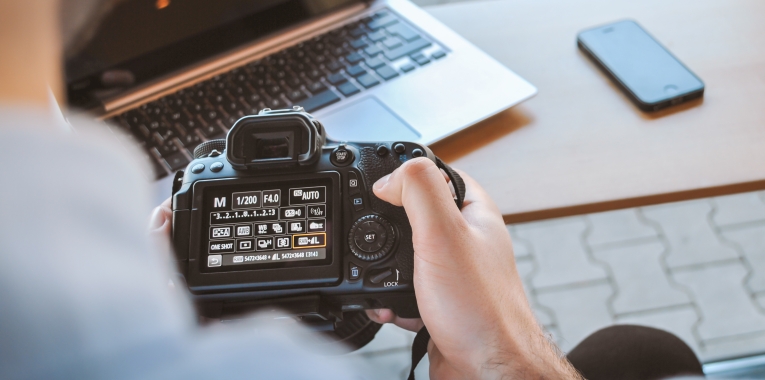
Hopefully you are already experiencing with using manual modes but if you have not, then low light is the time to try it. Your camera settings are not designed to help shoot action in low light so you want to take the camera off automatic mode.
Increase Your Shutter Speed
(If you haven’t read our article on shutter speed, you can do so here)
If you are using auto mode when shooting sports photos in darker conditions, the camera will automatically adjust itself to low light levels which is going to decrease the shutter speed. A slower shutter speed means that the camera has more time to let light in, which is good if you are in low light, but the problem with slow shutter speed in sports photography is that it causes blurry photos. You actually need to increase your shutter speed to decrease the possibility of blur. Yes, that means the camera might have harder time letting in light in such a short amount of time but we’re about to handle that.
Increase Your ISO
(If you haven’t read our article on ISO, you can do so here)
The higher your ISO is, the more sensitive it is to light, which means it will capture more light in your photo. The flip side of this is, of course, that the higher the ISO, the grainier or noisier the photo will be. Every camera is different so you should take some test shots with higher ISOs to see what the limit is before your camera starts shooting grainy photos.

Open Your Aperture
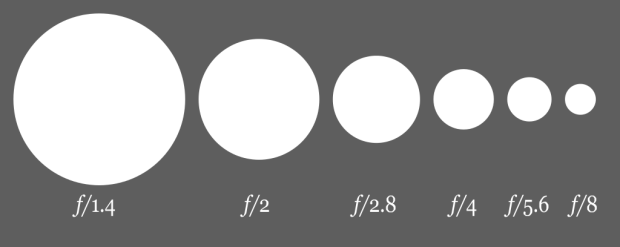
Open up your aperture to the widest opening your lens has. That means more light will pass through the lens into your camera. Since you don’t have a lot of light to begin with, opening up your aperture will help you maximize the light you do have. Be aware that even opening up your lens to its biggest setting might still not allow enough light to come in if you’re using a slow lens.
Use a Faster Lens
If you know you are frequently going to be shooting sports or action photography in low light, you may want to invest in a faster lens that will allow for faster shutter speed and wide apertures to help improve your photos.
 Focus
Focus
The focus is an important to note when shooting in low light. When you are shooting with a wide aperture, your depth of field can decrease to very shallow depths. That means perfect focus on your subject is even more critical at night because of your limited depth of field.
Conditions are not always ideal for photographing but that does not mean you still can’t capture high quality photos in low light.
Love learning about photography? Sign up to receive the latest news and resources straight to your inbox!


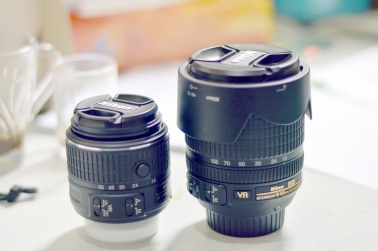 If you want to improve your photography skills, you will want to make the most out of your equipment. This includes knowing the right lens for your photos! A good camera lens can make a big difference in the look of your photos. There is no one right answer to which lens you should buy for your camera but it’s important to understand the difference between different lenses. Always try and use the best lens for the job at hand. Here are the most common lenses and how you should use them: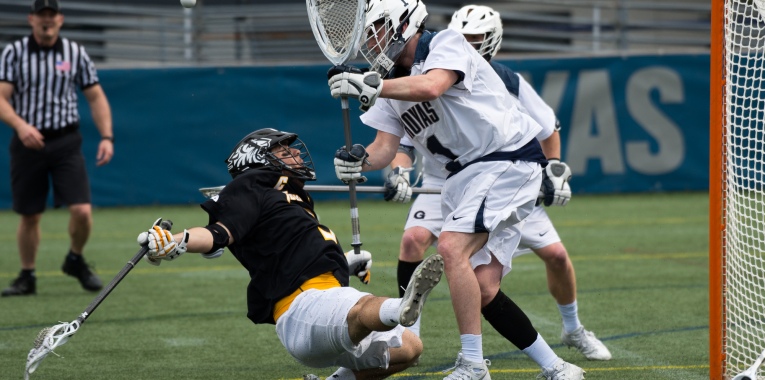
 Increasing your shutter speed is one of the best things to do if you want to decrease the risk of blurriness in your photo. Fast shutter speeds help you freeze the action. Selecting a wider aperture will allow for a faster shutter speed and it also creates a more shallow depth of field, which is critical when you are focusing on your player.



 You have probably been thinking about getting a DSLR camera for a while now. Maybe you want to capture special moments in your family’s lives. Maybe you have always had a photographer’s eye and want to improve your skills. For whatever reason, you have made the investment in a beautiful new DSLR camera and now… you have no idea what to do with it. There are so many dials and functions and your owner’s manual seems like its written in a different language. Does this sound familiar?
 If you recently purchased a fancy new DSLR or you are thinking about making the investment, you might feel overwhelmed at all the options and settings on it. Too many amateur photographers invest in great cameras but stick with the automatic mode and never learn how to properly use their camera. The advanced settings and modes in
 Learn to shoot like a pro
